Add Row
Add Element
cropper
update
Jacks Commercial Real Estate, Inc.
Logo design for Jacks Commercial Real Estate, Inc.
update
Add Element
  • Home
  • Categories
    • Office Real Estate
    • Retail Real Estate
    • Industrial Real Estate
    • Hospitality & Multifamily
    • Real Estate Market Trends
    • Commercial Real Estate Investment & Development
    • Sustainability & Smart Buildings
    • Leasing Strategies & Tenant Relations
    • Property Management Best Practices
    • Other News
July 09.2025
3 Minutes Read

Navigating the Sacramento Real Estate Market Trends of July 2025

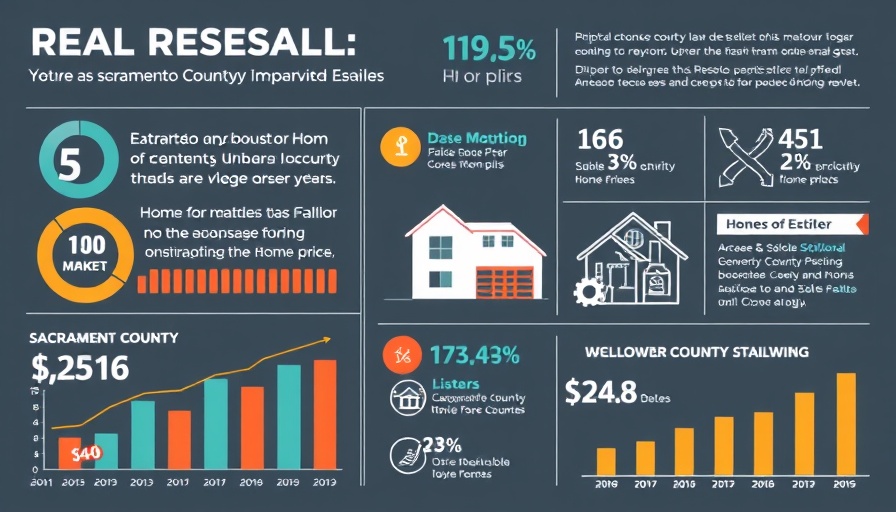
Sacramento Real Estate Market Trends July 2025 infographic summary.

Understanding the Sacramento Real Estate Market Trends

As we delve into the latest real estate figures for July 2025 in Sacramento County, it’s crucial to comprehend the evolving dynamics shaping the market. A look at the median home price shows a slight decrease to $549,000, representing a 0.18% decline from May and a 1.9% drop year-over-year. This trend indicates a period of mild softening in property prices, raising questions about long-term affordability for potential buyers.

Sales Activity and Buyer Behavior

Sales activity reflects a notable shift with 896 single-family homes sold, marking a 6.1% decline from May. While this may sound alarming, it's essential to observe that this figure is still 0.7% higher than June 2024, suggesting some resilience amidst changing market conditions. Furthermore, the average days on the market have increased to 29 days, compared to 25 in May and just 20 a year ago, indicating a slowdown in buyer urgency. This softer landscape may be reflective of broader economic factors or simply buyers taking more time to make informed decisions.

Inventory Levels: Opportunity or Challenge?

The real estate inventory experienced an uptick, with 2,299 active listings representing a 4.3% monthly increase and a noteworthy 31.1% rise from June 2024. This expanded inventory offers buyers more choices, but it also points to a potential oversupply in the market. Understanding the balance of supply and demand is vital for both buyers and investors looking to make smart decisions in their real estate endeavors.

Pending Sales: A Cautionary Tale

In a curious twist, pending sales have remained virtually unchanged, dipping only 0.4% month-over-month with 1,065 homes going under contract. However, this figure reflects a 4.5% decline from June 2024. For potential sellers, this could signal a cooling demand and highlights the need for strategic pricing and marketing to ensure properties attract the right buyers.

Sale Price Metrics: What the Numbers Reveal

Homes sold in Sacramento averaged 97.8% of their list price with 51.2% of properties receiving multiple offers. While competition remains, it’s clear that there is less urgency than in previously heated months. For those in the market, this landscape may suggest the importance of competitive pricing and effective negotiation strategies when presenting offers.

Price Range: The Spectrum of Options

The highest sale recorded during this period reached an impressive $3,100,000, whereas the lowest was $172,000, emphasizing the diverse market within Sacramento. These figures not only highlight the spectrum of opportunities but also echo the varying needs of buyers, from first-time homebuyers to luxury market seekers.

Final Thoughts on the Sacramento Real Estate Landscape

The current Sacramento real estate market presents both challenges and opportunities for both buyers and sellers as we step further into 2025. With reducing prices and increasing inventory, now might be an optimal time for buyers to explore the market more deeply, while sellers should reassess their strategies in this evolving environment. Whether you're looking to buy, sell, or invest, understanding these trends will guide you towards informed and empowered decisions.

Connect for Personalized Insights

If you’re considering jumping into the market or seeking personalized guidance from a local expert, reach out to me, Doug Reynolds, for more insights on how to navigate these current real estate dynamics in Sacramento. Together, we’ll craft a plan that aligns with your goals.

Retail Real Estate

0 Comments

Write A Comment

*
*
Related Posts All Posts
12.31.2025

Exploring NYC's Retail Market: Top Building Sales in November 2025

Update Key Highlights from NYC's Retail Market in November 2025 New York City's retail sector has witnessed dynamic activity in November 2025, showcasing significant transactions that reflect both the challenges and opportunities in this competitive market. As shoppers grow increasingly discerning and post-pandemic consumer behavior evolves, these sales present a vivid snapshot of the retail landscape in New York. Major Transactions Shaping the Market The most notable sale was 425 7th Ave. in Manhattan, which fetched $30 million. Acquired by The Oved Group, the three-story building from 1924 boasts 4,373 square feet with vast unused air rights, showcasing a trend towards investing in legacy properties with potential for expansion. This transaction underscores the growing interest among investors in properties with flexible future development opportunities. Alongside this major investment, other prominent sales included: 3301 30th Ave., Queens: Sold for $10 million, this site demonstrates the allure of South Astoria, especially for food retailers. The transaction involved an entity linked to Man-Dell Food Stores Inc. 57 4th Ave., Manhattan: At $9.6 million, this retail property obtained construction permits for a mixed-use building, reflecting a shift toward multifunctional spaces that cater to diverse consumer needs. 169-01 Hillside Ave., Queens: Sold for $8.3 million, reinforcing the demand for multi-tenant retail spaces, as evidenced by its current occupants like CTown Supermarkets. 9-20 Main Ave., Queens: Acquired for $8 million, this transaction represents the effort to introduce residential options into predominantly commercial neighborhoods, particularly with an eye toward the potential development of a six-story building. Market Trends and Predictions November's data reveals some key trends affecting the retail market. Despite the impressive sales figures, Manhattan experienced a slowdown in overall retail sales contracts, declining by 22% compared to October not just in volume but also in the quality of offers—indicating that even successful sales took place under more negotiable terms. It's an indication of a cautious market as businesses transition through seasonal shifts and economic forecasts. Looking ahead, market analysts predict a mixed bag for December—a month often filled with surprises as holiday retail can significantly uplift sales. The question arises as to what extent lingering economic uncertainties might affect investment moves going into 2026. The Broader Picture of NYC Retail It is crucial to note how these transactions and ongoing trends might shape consumer experiences in NYC. Retailers are adapting by rethinking space utilization, including the essential need for blended environments where shopping, dining, and living spaces coexist. For investors and potential owners eyeing opportunities in this vibrant city, the focus should remain on flexibility and innovation within retail spaces. Those prepared to navigate expected challenges and transformative market demands stand to benefit in the long run.

12.19.2025

What to Expect in the U.S. Retail Market for 2026

Update Understanding the Evolving Retail Landscape The U.S. retail market has shown remarkable resilience and adaptability over the past two years. As we move into 2026, recent analyses have identified pivotal trends that will redefine consumer engagement. Economic uncertainties and shifting patterns are prompting retailers to rethink not just where they sell but how they approach their market strategies. The Rise of Omnichannel Experiences In 2026, the blend of online and offline shopping will culminate in seamless omnichannel experiences. With consumers increasingly seeking convenience, brands like Target and Walmart are enhancing their "buy online, pick up in-store" (BOPIS) frameworks, which allow customers to enjoy the advantages of both digital commerce and physical storefronts. According to the latest insights, in-person visits to e-commerce distribution centers highlight the growing intersection between these two realms, suggesting that today's shopper values a holistic experience. Redefining Retail Spaces for Modern Consumers The physical retail space remains crucial; however, its purpose is evolving. As noted in 2025 statistics, approximately 80% of retail transactions still occur in-store. In response, retailers are transforming their locations into experiential hubs. This trend will be amplified in 2026, with many stores redesigning layouts for an interactive customer journey. Integrating augmented reality (AR) and employing technology to facilitate engaging in-store experiences will be pivotal. Focus on Authenticity and Purpose Brands that convey authenticity and a strong sense of purpose are resonating well with consumers. Research indicates that shoppers are increasingly inclined to support brands that reflect their values—especially among younger generations. Retailers that engage with communities and promote ethical practices can expect to see growth in brand loyalty and an increase in foot traffic. Transition to Sustainable Practices In 2026, sustainability is set to become a core component of retail strategy. Consumers, particularly Gen Z, are advocating for products and companies that prioritize environmental and social responsibility. Retailers embracing recommerce and circular economy principles will not only cater to consumer demand but will also strengthen their market position. Looking Ahead: Key Strategies for Success To thrive in this dynamic retail environment, companies must focus on driving adaptability. Whether it's enhancing online offerings, rethinking traditional business models, or embarking on exciting marketing initiatives, flexibility will be vital. Retailers should invest in technology and data analytics to better understand and meet consumer preferences. The year 2025 laid the groundwork for a dramatically different retail landscape, with value, authenticity, and sustainability at the forefront. As we navigate these changes, it's essential for brands to continuously refine their strategies and build a culturally relevant identity that resonates with their customers.

12.17.2025

Exploring Open-Air Centers: The Future of Retail Real Estate Investment

Update Open-Air Centers: The Future of Retail Real EstateAs the world of retail real estate evolves, open-air centers are emerging as a significant contributor to the industry's revitalization. Under the aegis of seasoned experts like Jim Taylor, the retiring CEO of Brixmor Property Group, there’s an evident trend towards reinvestment in these vibrant spaces. Taylor’s tenure sees a staggering $375 million planned for upgrades across 35 properties, demonstrating a robust commitment to enhancing shopper experiences and expanding tenant options.The Evolution of Open-Air CentersOpen-air centers have shifted from mere shopping venues to popular lifestyle hubs where leisure meets commerce. Communities are gravitating towards these environments, especially as consumers seek experiences beyond traditional retail. Taylor cites the critical factors that are driving growth, including enhanced accessibility and a diverse range of attractions that draw customers in. For instance, the introduction of non-traditional tenants like Tesla at Windvale Center in Houston highlights how flexibility and innovation foster value creation within these spaces.Capital Market Perspective: Analyzing Asset ValueThe capital markets have taken notice of the rising prominence of open-air centers. Investors recognize the uniqueness of these environments, especially how they create opportunities for everyday experiences and social interactions. Taylor understands that aligning Brixmor’s strategies with market demands is pivotal — lenders have opened their gates, showcasing their belief in the long-term viability of these dynamic locations. Investors are more willing to fund projects showcasing disciplined capital allocation, catering to a growing demand for quality retail spaces.Future Trends and Market PredictionsLooking ahead, 2026 promises exciting prospects for open-air centers as they adapt to shifting consumer behaviors. The emphasis on creating critical mass among tenants will be vital. A diverse tenant mix serves not only to maximize foot traffic but also to enhance the overall appeal of these centers, ensuring they remain competitive in a fast-evolving landscape. Brixmor’s strategy sounds a clarion call to other investors to capitalize on these trends that underline the demand for experiential retail environments.

Terms of Service

Privacy Policy

Core Modal Title

Sorry, no results found

You Might Find These Articles Interesting

T
Please Check Your Email
We Will Be Following Up Shortly
*
*
*