Add Row
Add Element
cropper
update
Jacks Commercial Real Estate, Inc.
Logo design for Jacks Commercial Real Estate, Inc.
update
Add Element
  • Home
  • Categories
    • Office Real Estate
    • Retail Real Estate
    • Industrial Real Estate
    • Hospitality & Multifamily
    • Real Estate Market Trends
    • Commercial Real Estate Investment & Development
    • Sustainability & Smart Buildings
    • Leasing Strategies & Tenant Relations
    • Property Management Best Practices
    • Other News
August 21.2025
2 Minutes Read

What Tenants Truly Desire in 2025 Commercial Lease Spaces

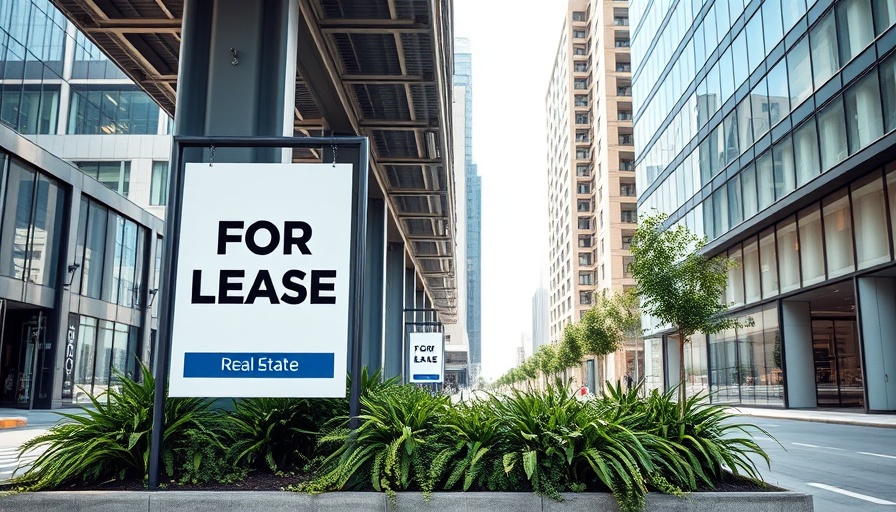
Prime retail lease sign in urban setting highlighting available commercial space for businesses.

What Tenants Truly Desire in 2025 Commercial Spaces

The commercial real estate landscape is evolving dramatically, and as we move further into 2025, tenant expectations are shifting along with it. Today's businesses are no longer focused solely on square footage or location; instead, they prioritize flexibility, technology integration, and amenities tailored to modern work culture.

Embracing Flexible and Innovative Layouts

The days of rigid, cookie-cutter office designs are fading. Tenants increasingly seek adaptable spaces that allow for growth and customization. An open floor plan that can accommodate various configurations—ranging from private offices to collaborative workspaces—is now essential. Moreover, businesses are attracted to properties that offer flexible lease conditions. Startups, in particular, appreciate options that allow for easy scaling and short-term renewal terms, alleviating the pressure of long commitments.

The Demand for Connectivity and Smart Features

In 2025, a strong internet presence and smart building technology are non-negotiable. Businesses expect seamless connectivity and straightforward technology integration—this means anything from high-speed internet to smart thermostats and digital security systems. Properties that provide plug-and-play environments without the need for expensive upgrades are more likely to attract tenants.

Prioritizing Sustainability in Building Practices

Sustainability has transitioned from a trend to a fundamental priority for many businesses. Tenants are looking for energy-efficient buildings equipped with eco-friendly features, such as LED lighting and solar panels. These environmentally conscious upgrades not only lower utility costs but also resonate with the values of today's workforce, improving employee satisfaction.

Enhanced On-Site Amenities and Location Convenience

While location remains critical, convenience has expanded to include local amenities. Tenants are assessing the surrounding environment—having nearby coffee shops, dining options, or grocery stores can influence their decisions. On-site amenities like outdoor break areas and shared conference rooms can significantly enhance the appeal of a property, making it more attractive to prospective tenants.

Parking and Accessibility: Non-Negotiables for Tenants

Ample parking and easy accessibility are vital considerations for tenants, especially in suburban areas. A well-maintained parking lot, marked spaces, and ADA compliance directly impact how tenants view a property. Clear signage and easily navigable entry points can make a property far more appealing to both tenants and their clients alike.

The Need for Enhanced Security and Safety Protocols

In the current business landscape, safety and security remain priorities. Tenants must feel assured that their employees, equipment, and clientele are protected. Enhanced security measures, including surveillance and emergency protocols, are key factors that tenants now assess.

Leasing Strategies & Tenant Relations

0 Comments

Write A Comment

*
*
Related Posts All Posts
01.14.2026

Elevate Your Mood: Spa-Like Wellness Upgrades for Bathrooms

Update Transform Your Space with Invigorating Bathroom Upgrades Creating a relaxing bathroom is more than mere aesthetics; it's about enhancing your overall well-being. For commercial spaces aiming to improve tenant satisfaction and employee wellness, consider these simple yet effective upgrades. 1. Luxurious Rain Showerheads Nothing sets the mood like a refreshing rain shower. By installing a rain showerhead, you can transform an ordinary shower into a revitalizing experience. This upgrade not only adds a touch of luxury but also encourages self-care, which is invaluable in fast-paced working environments. 2. Heated Floors for All-Day Comfort Imagine stepping into a warm, inviting bathroom during chilly mornings. Heated flooring is a practical yet indulgent enhancement that can make your commercial space feel more welcoming. Inviting comfort into your environment can lead to increased productivity, as employees feel more at ease throughout the day. 3. Smart Lighting for Mood Regulation The right lighting can dramatically affect your mood. Smart lighting systems that allow you to adjust brightness and color temperature can create an atmosphere conducive to relaxation or energization, as needed. This makes it a perfect addition to your office restrooms or shared spaces. 4. Eco-Friendly Choices Incorporating sustainability into your renovations can also improve tenant relations. Water-saving faucets, low-flow showerheads, and energy-efficient lighting options not only help the environment, but promote a positive corporate image. Clients and employees alike appreciate a commitment to sustainability. Incorporating these spa-like upgrades into your bathrooms can enhance tenant experience and mood, showcasing a commitment to wellness that reverberates throughout your commercial environment. As we continue to prioritize employee well-being, these improvements should not be overlooked.

01.14.2026

Transform Your Space: How to Create a Home That Fits Your Lifestyle

Update Design Your Home to Reflect Your True LifestyleCreating a home that reflects your lifestyle means focusing on what truly matters in your everyday life. Rather than simply conforming to trends, it's about assessing whether your living space effectively supports your day-to-day activities. From the hustle of weekday mornings to the leisurely pace of weekends, the design should cater to how you and those you live with actually use your space.Assess Your Living Habits: The Foundation of DesignThe first step in creating a functional home is to examine your daily routines. Are you a busy professional, a parent juggling activities, or perhaps an empty nester seeking comfort? Each lifestyle demands different spatial considerations. As noted by Emily Fazio of Home Living Handbook, designs should cater to your present and future needs. For instance, if you foresee a multi-generational living scenario or plan to age in place, your space should facilitate those changes.Function First, Style Second: The Practical ApproachIncorporating function into your design is essential. Before diving into aesthetic choices, start by structuring your home to enhance usability. This includes considering how rooms facilitate the flow of movement, where people gather, and how functional storage can be implemented.Embrace Flexibility in Your SpacesHaving flexible spaces that can adapt to changing needs is crucial. For instance, a spare bedroom that moonlights as an office or a gym can optimize your home’s usability. This adaptability not only caters to evolving family needs but also enhances comfort.Small Changes, Big ImpactRemember, you don’t have to undergo extensive renovations to achieve a functional home. Simple changes, like rearranging furniture for improved flow or introducing multi-functional furniture, can make a significant difference. Think about elements that blend style with convenience, such as smart home gadgets that enhance energy efficiency and reduce clutter.Ultimately, your home should be a sanctuary—one that serves your lifestyle while also reflecting your personal style. Approach the design process with a clear understanding of your needs, and your living space will evolve seamlessly over time, enhancing your daily experience significantly.

01.09.2026

Why You Should Stop Calling Yourself a Salesperson and Invest in Your Position as a Trusted Advisor

Update Redefining Your Role: From Salesperson to Trusted Advisor The modern real estate landscape is packed with competition, pushing professionals to reconsider how they present themselves. Instead of labeling themselves as mere "salespeople," real estate agents should embrace a more authentic identity as licensed fiduciaries, skilled advocates, and trusted advisors. This shift is not merely a change in terminology; it’s a powerful way to elevate the client relationship and establish deeper trust. The Trust Dilemma: Why the Salesperson Label Holds You Back In a market where credibility is crucial, utilizing language that diminishes your role can hinder your clients' trust. Darryl Davis emphasizes that the term "salesperson" carries connotations that contribute to a credibility crisis facing real estate. By rebranding yourself and your services, you communicate a more robust commitment to professionalism and client care. Building Unique Value Through Personal Branding Establishing a unique identity in real estate allows you to differentiate yourself in a crowded field. This involves enhancing your personal brand, which should resonate with your target audience, showcasing your expertise and building long-lasting connections. As indicated in the guidance from renowned branding strategies, your narrative, visuals, and service delivery should cohesively reflect who you are and your business ethos. Strategic Branding: The Key to Client Attractiveness An effective brand strategy not only crystallizes your unique value proposition (UVP) but also roots your brand deeply within your community. By taking the time to understand your audience—be it first-time homebuyers or seasoned investors—tailoring your interactions becomes intuitive. Building rapport through personalized experiences nurtures loyalty, setting the stage for referrals and repeat business. The Digital Presence: Why It Matters In today's digital-first environment, a robust online presence is indispensable. Real estate agents must leverage platforms like social media and email marketing to solidify their brands and engage with clients actively. Research shows that users are more inclined to interact with brands that maintain active communication channels, thus enhancing engagement and trust. Conclusion: Take Action Towards Your Brand Evolution The identity shift from "salesperson" to "trusted advisor" is not just a personal transformation; it is essential for success in the evolving market. The action begins with re-evaluating how you communicate your role and the value you provide. By investing in strategic branding, enhancing your online presence, and embracing the ethos of a solution provider, you can navigate your career towards sustainable growth and success.

Terms of Service

Privacy Policy

Core Modal Title

Sorry, no results found

You Might Find These Articles Interesting

T
Please Check Your Email
We Will Be Following Up Shortly
*
*
*